Your Guide to Hardwood Flooring Like a Pro
Refresh Your Space: Expert Tips for Hardwood Floor Refinishing That Shines
Revitalizing hardwood floors can revolutionize a space dramatically. Many homeowners overlook the warning signs that show their floors need refinishing. Common problems include scratches, dullness, or uneven surfaces. Understanding the advantages of refinishing, along with the correct techniques and tools, is vital for achieving stunning results. However, navigating the process can be overwhelming. What are the key steps and common pitfalls to avoid? The answers may surprise you.
How to Assess Whether Your Hardwood Floors Need Refinishing?
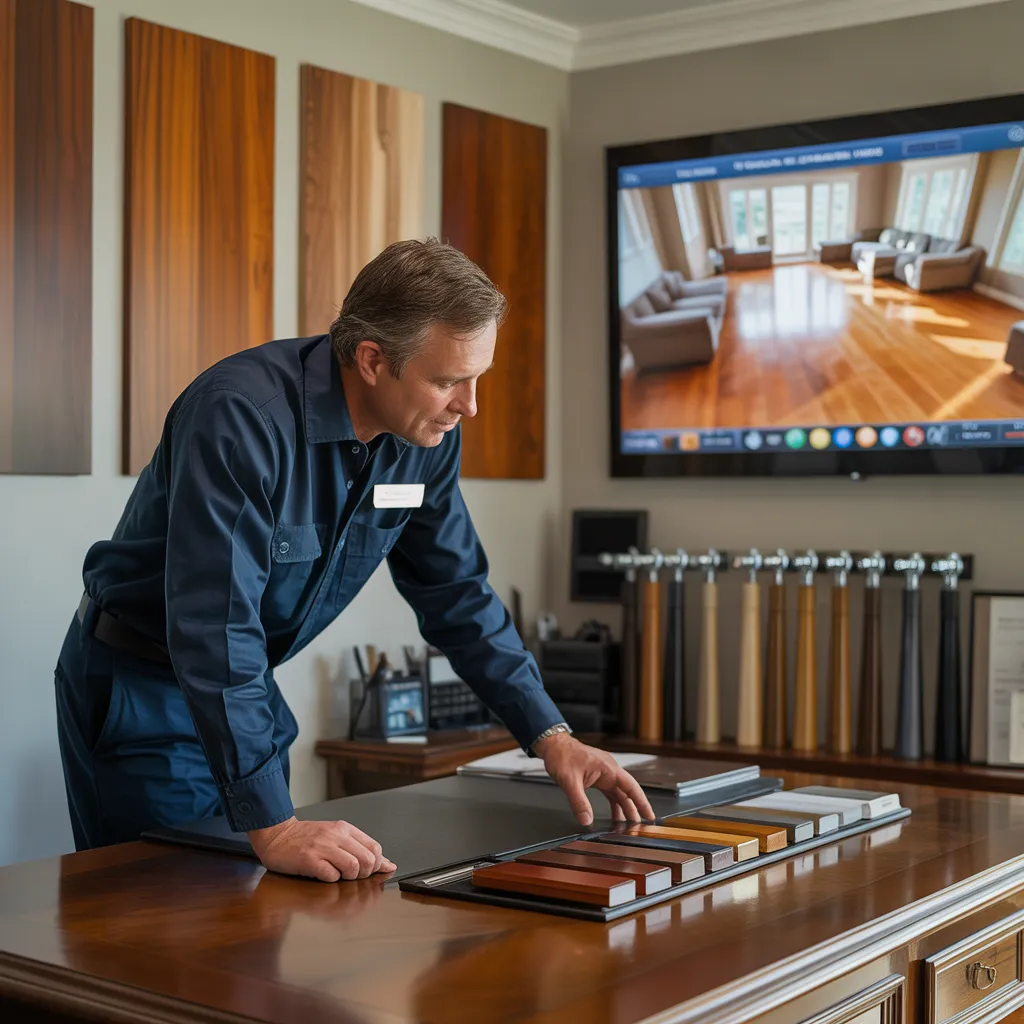
When determining whether hardwood floors need refinishing, homeowners should look for certain signs of wear and damage. One major indicator is the visibility of scratches, dents, or deep scuff marks that compromise the floor's appearance. Additionally, if the finish seems dull or worn, especially in high-traffic areas, it may signal the need for refinishing. Homeowners should also check for water stains or discoloration, which can suggest moisture damage. A simple test involves pouring a few drops of water on the surface; if the water beads up, the finish is still intact, but if it soaks in, refinishing is likely required. Furthermore, if the wood has become splintered or rough to the touch, it may necessitate attention. By assessing these signs, homeowners can make informed decisions about whether their hardwood floors need refinishing to revive their beauty and durability.
Benefits of Hardwood Floor Refinishing
Hardwood floor restoration delivers multiple essential benefits that can substantially elevate a home. Not only does it improve the aesthetic appeal of the floors, but it also increases the property value and extends the lifespan of the wood. Homeowners can benefit from an updated aesthetic while making an intelligent investment in their residence.
Elevated Cosmetic Beauty
Refinishing wood floors can substantially boost the aesthetic appeal of a space, as it revives the wood's inherent elegance and gleam. This process eliminates scratches, dents, and discoloration, revealing the pristine, dynamic pattern beneath. A recently refinished floor can revolutionize a room, making it feel more welcoming and harmonious. The selection of finish—whether matte, satin, or glossy—further allows homeowners to adapt the look to their personal style and existing decor. In addition, refinishing offers an opportunity to modify the stain color, providing a different viewpoint and refreshing the ambiance. Fundamentally, a properly restored hardwood floor functions as a beautiful focal point, enriching the general style and mood of any space.
Improved Property Equity
The value of a well-maintained home often hinges on its aesthetic and functional features, with hardwood floors holding significant importance. Restoring hardwood flooring both improves its appearance and significantly adds to a home's overall market value. Prospective purchasers often see refinished floors as a symbol of dedication and thorough upkeep, making properties with freshly refinished hardwood more attractive. Properties with these flooring options often achieve premium pricing, as buyers are frequently prepared to pay premium prices for spaces that require less immediate upkeep. Furthermore, a polished hardwood floor creates an appealing ambiance, attracting a broader range of buyers. Essentially, refinishing hardwood floors is a smart investment that pays dividends in increased property value.
Lengthened Flooring Service Life
When property owners focus on preserving their hardwood flooring, they typically find that refinishing substantially increases the longevity of these surfaces. By eliminating surface imperfections, dents, and staining, refinishing renews the wood's original appeal and durability. This method requires sanding the surface layer, which removes defects and permits the addition of fresh sealant. As a result, the wood is better protected against daily wear and tear, moisture, and UV damage. Periodic refinishing helps avoid expensive floor replacement, rendering it a wise choice for property maintenance. Furthermore, keeping the flooring in optimal condition promotes a more wholesome interior atmosphere, since refinishing aids in blocking allergens and particles. Ultimately, refinishing is essential for longevity and durability.
Necessary Equipment and Supplies for Renovating
In order to successfully refinish hardwood floors, key tools and materials are required. A properly stocked toolkit can streamline the process and deliver a quality result. Knowing these key items will make the refinishing project easier and more efficient.
Critical Tools
Key tools and materials are essential for a successful hardwood floor refinishing project. A drum sander is essential for stripping away the old finish and smoothing the wood surface, while an edge sander provides precise finishing along walls and corners. Sandpaper in various grits is necessary for achieving a smooth, even surface. A vacuum or dust collection system is essential to remove debris during the sanding process. Additionally, a buffer can help create a polished look after applying the finish. Safety gear, including goggles and masks, shields the user from dust and fumes. Finally, a quality applicator and brushes ensure an even application of the finish, enriching the final appearance of the hardwood floors.
Necessary Supplies
Restoring hardwood floors calls for a selection of essential materials that provide a successful transformation. Key components include sandpaper in various grits for thorough surface preparation and a reliable floor sander to efficiently remove old finishes. A dust mask and safety goggles are critical for protection during the sanding process. After sanding, a quality wood stain enhances the floor's appearance, while a durable finish, such as polyurethane, provides permanent protection. Foam brushes and roller applicators are advised for even application of the stain and finish. Additionally, a vacuum cleaner or broom is needed for thorough clean-up, ensuring no debris interferes with the refinishing process. These materials collectively contribute to achieving a beautifully refinished hardwood floor.
Complete Guide to Restoring Your Hardwood Flooring
Though numerous property owners might find the process daunting, refinishing hardwood floors can be a manageable task with the right guidance. The first step involves removing all furniture and thoroughly cleaning the floor. Next, using a sander, the old finish is stripped away, guaranteeing an even surface. It is vital to pay attention to corners and edges, often requiring a hand sander for precision.
When the floor has been sanded, it should be vacuumed and wiped down to get rid of dust. The application of a stain comes next, if desired, enabling color customization. Once the stain dries, a finish is applied, typically in multiple coats for durability. Homeowners should verify proper drying time between each coat.
Finally, it is crucial to let the floor to cure for several days before bringing back furniture to stop damage. Adhering to these steps can enable homeowners return their hardwood floors to their former glory.
Deciding Between Oil-Based and Water-Based Finishes: Key Factors
How does one choose between water-based and oil-based finishes for hardwood floors? The selection often relies on several factors, including drying time, durability, and aesthetic preferences. Oil-based finishes are celebrated for their rich, inviting colors and superior longevity, making them perfect for high-traffic areas. Yet, they demand longer drying times and emit stronger odors during application.
On the other hand, water-based finishes cure fast and are less smelly, which may be attractive to homeowners who focus on a low-VOC environment. They provide a more natural appearance, preserving the wood's original color, but may not offer the same depth as oil-based choices.
In the end, the decision should correspond to lifestyle needs and personal style. For instance, families with pets or children might prefer the toughness of oil-based finishes, while those seeking a quicker, cleaner application might choose water-based alternatives. Evaluating these considerations will lead to an informed choice.
5 Common Pitfalls to Dodge When Resurfacing Your Hardwood Floors
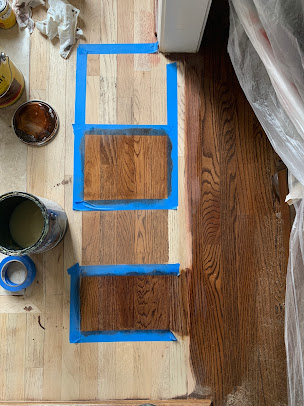
When undertaking the task of hardwood floor refinishing, homeowners often miss important missteps that can produce unsatisfactory results. One of the most common mistakes is improper preparation; failing to sand and clean the floor properly can impact the finish's adhesion. Another frequent error is opting for the wrong type of finish, which can affect appearance and durability. Additionally, many fail to recognize the importance of ventilation; adequate airflow is crucial for drying and curing the finish properly. Timing is also important; accelerating the process can lead to uneven results or damage to the newly applied finish. Finally, neglecting to test the finish on a small area can cause unexpected surprises, such as an undesired color or sheen. By steering clear of these pitfalls, homeowners can secure a successful refinishing project that enhances the beauty of their floors.
Advice for Preserving Your Newly Refinished Floors
Once you've successfully avoided common mistakes in the refinishing process, maintaining the newly finished hardwood floors remains essential for ensuring their beauty and longevity. Regular cleaning is essential; a soft broom or microfiber cloth can successfully remove dust and debris without scratching the surface. It is advisable to use a pH-balanced cleaner specifically designed for hardwood floors to prevent damaging the finish.
Moreover, positioning doormats at entryways can help to decrease grit and dirt tracked onto the floors. Homeowners should stay away from using large amounts of water when mopping, as moisture can infiltrate seams and create warping.
Moreover, furniture pads should be used to prevent scratches from moving items. To conclude, establishing a no-shoes policy can significantly reduce wear and tear. By following these maintenance suggestions, homeowners can relish their beautifully refinished hardwood floors for years to come, making certain they remain a stunning feature of their home.
FAQ
What Is the Expected Timeline for the Hardwood Floor Refinishing Process?
Refinishing hardwood floors usually requires between 3-5 days. This duration includes sanding, staining, and sealing, with drying durations changing based on ambient conditions and the explanation refinishing products applied.
Is It Possible to Refinish My Floors Without Professional Assistance?
Yes, individuals can refinish their floors without professional help, assuming they have the proper tools, knowledge, and patience. Nonetheless, the process requires thorough preparation and attention to detail to reach acceptable results.
What's the Price Range for Hardwood Floor Refinishing?
Refinishing hardwood floors typically costs between $3 to $8 per square foot. This price is influenced by factors such as the state of the floors, the kind of finish used, and your location.
What Is the Recommended Frequency for Hardwood Floor Refinishing?
Hardwood floors should typically be refinished every 7 to 10 years, depending on usage and wear. Consistent upkeep, such as cleaning and polishing, can prolong this period, keeping the floors looking vibrant and durable over time.
Is It Safe to Refinish Your Floors If You Have Pets?
It's possible to safely refinish floors in homes with pets by taking necessary precautions. Proper ventilation combined with keeping pets separated from the workspace helps minimize exposure to harmful fumes and dust.